




Em 2025, um contratante EPC indonésio construindo uma usina termelétrica a carvão em Java Oriental precisava de cinco bombas para transferir hidróxido de sódio concentrado (NaOH) de um tanque de armazenamento para a casa de caldeiras — aproximadamente 1.000 metros de distância. Essas bombas serviriam ao sistema de controle de pH da água de alimentação da caldeira, onde a dosagem confiável de NaOH é crítica para evitar corrosão ácida e proteger os equipamentos de geração de vapor.
O Desafio
Três tecnologias de bombas foram avaliadas e duas foram rejeitadas:
Bombas centrífugas foram descartadas por sua alta rotational velocidade (1.450–2.900 RPM), o que aumenta o risco de falha da vedação mecânica ao lidar com produtos químicos perigosos. Sua vazão também varia com a contrapressão do sistema, comprometendo a precisão da dosagem ao longo de uma tubulação extensa sem equipamentos adicionais de controle.
Bombas de engrenagens foram eliminadas devido a limitações inerentes de projeto. As bombas de engrenagens dependem do contato metal com metal entre rotores engrenados, o que acelera drasticamente o desgaste em fluidos de baixa viscosidade como o NaOH (44 cP), que fornece lubrificação insuficiente. Substituições frequentes de vedações, pulsação de fluxo acentuada que requer amortecedores e a necessidade de desmontagem completa durante a manutenção — normalmente 4–6 horas por reparo — as tornaram inadequadas para esta aplicação de operação contínua.
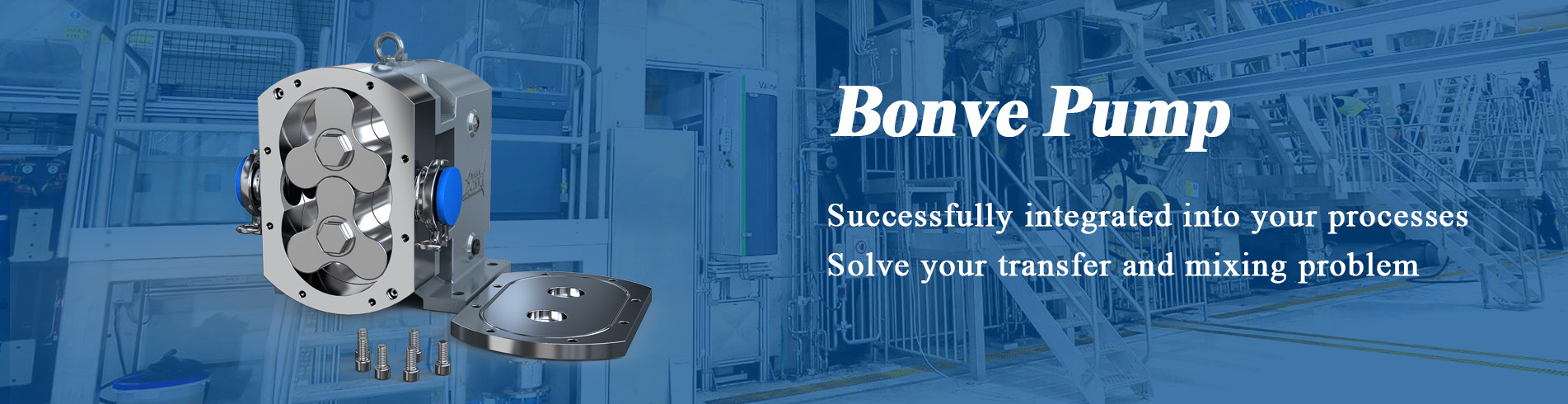
Por que a BonveBombas de lóbulos rotativosVencem sobre bombas de engrenagens
O projeto de rotor sem contato da Bonve evita fundamentalmente os mecanismos de falha que afligem as bombas de engrenagens. Com folgas de precisão entre os rotores em vez de engrenamento metal com metal, praticamente não há desgaste mecânico em operação normal. Essa única diferença gera múltiplas vantagens: o selo mecânico duplo opera em um ambiente estável, livre de flutuações de carga dinâmica, a manutenção é reduzida ao acesso pela tampa frontal sem remover a bomba da tubulação (menos de 2 horas vs. 4–6 horas para bombas de engrenagens), e o rotor Tri-lobe fornece um fluxo inerentemente de baixa pulsação — eliminando a necessidade de amortecedores de pulsação. Em serviço de NaOH, onde bombas de engrenagens normalmente exigem grande revisão em 1–2 anos, as bombas de lóbulos da Bonve são projetadas para mais de 5 anos de operação contínua.
A Solução
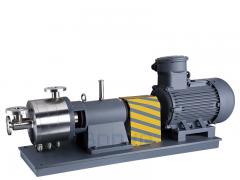
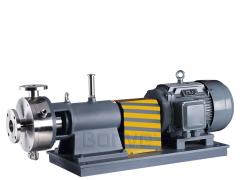
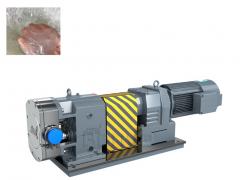
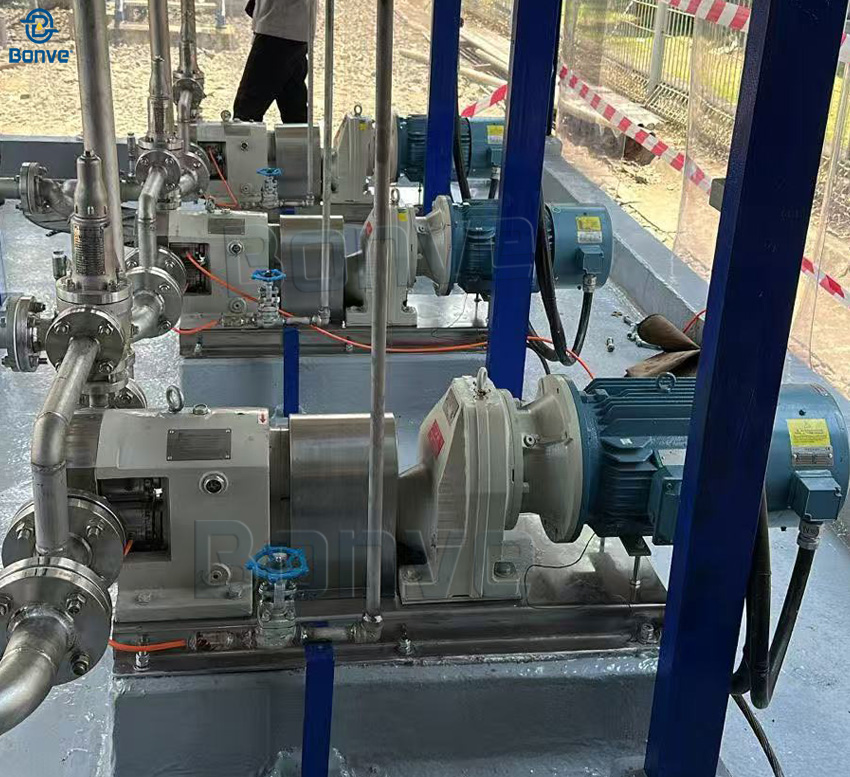
Após avaliar vários fabricantes, o contratante EPC selecionou a Bonve bomba de lóbulos rotativos modelo 65BV12-10. Cinco unidades foram fornecidas com a seguinte configuração:
- Meio: 48–50% NaOH
- pH: 14
- Viscosidade: 44 cP
- Temperatura: ambiente
- Vazão: 5 m³/h
- Pressão: 10 bar
- Ficha técnica da bomba
- Modelo: 65BV12-10
- Tipo de rotor: rotores tri-lobo
- Material: SS316L
- Selo: selo mecânico duplo
- Potência do motor: 5.5 kW
- Uma válvula de alívio de pressão externa protege alinha de descarga contra sobrepressão.
Resultados
As 5 unidades de bombas foram comissionadas em outubro de 2025 e estão operando continuamente desde então. Após oito meses de operação 24/7 de transferência de NaOH: zero tempo de inatividade não planejado, zero vazamento de selo mecânico em todas as cinco unidades, e apenas reabastecimentos programados do fluido de barreira — sem qualquer manutenção não planejada de qualquer tipo.
Conclusão
Esta instalação valida as principais vantagens de engenharia da Bonve para serviço químico agressivo: rotores sem contato eliminam as falhas causadas por desgaste das bombas de engrenagens, a metalurgia em SS316L com selo mecânico duplo fornece contenção em múltiplas camadas, e o design de deslocamento positivo mantém a vazão nominal independentemente da distância da tubulação.5conjuntosbombas, oito meses, zero falhas.
Para aplicações de transferência de soda cáustica e outros produtos químicos desafiadores, entre em contato com a Bonve Pumps para discutir suas necessidades.
Para mais detalhes, entre em contato comigo:
Andre Chen
Engenheiro de Vendas
Telemóvel/WhatsApp/Wechat: +86 15888591452
E-mail: bvsales2@bonvepumps.com